
Good Handwriting = Higher Scores in School
Legibility and fluency in handwriting directly correlate to academic performance. Students who write quickly and clearly free up cognitive load for the thinking that matters most.
By LTWN Editorial · December 15, 2023
Quick Answer
Yes. Fluent, legible handwriting frees up working memory for the actual thinking behind writing, choosing words, organizing ideas, which matters most on timed assessments like SAT essays and AP free-response questions where slow handwriting is a measurable disadvantage.
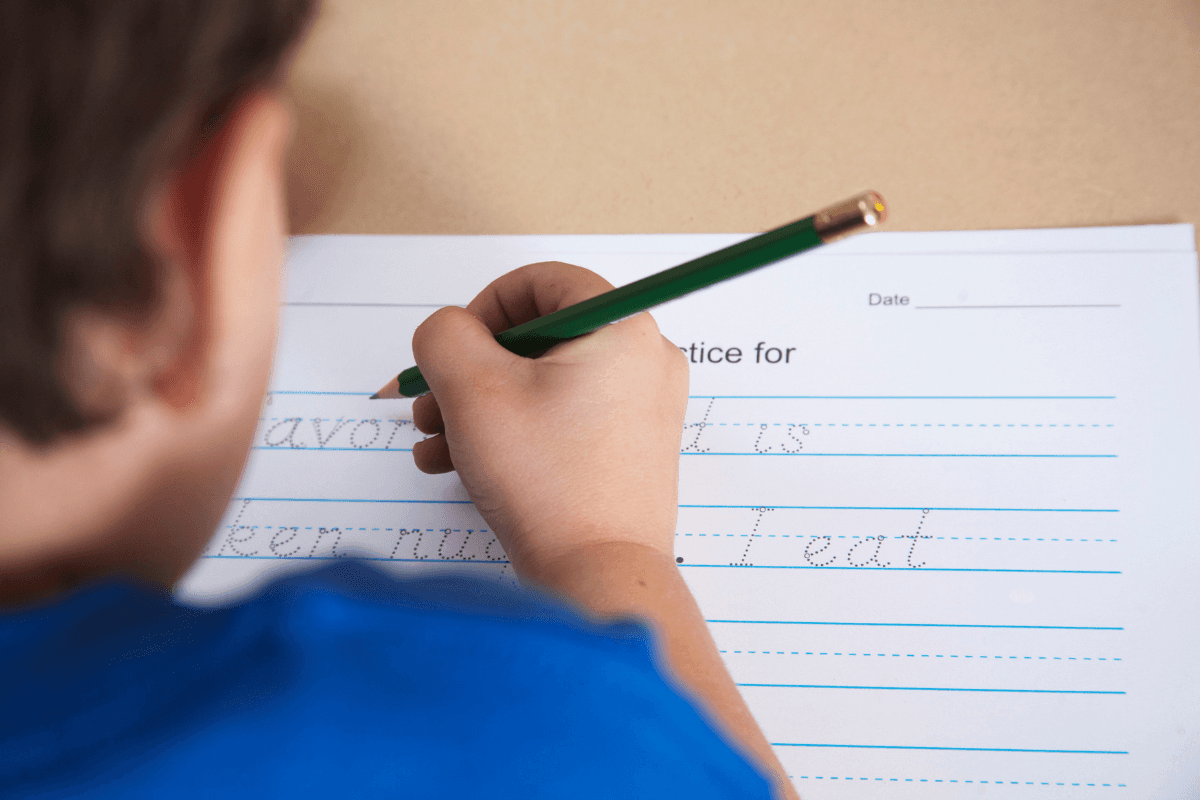
Handwriting might seem like a low-priority skill in a world of keyboards and touchscreens — but research tells a different story. Studies consistently show that students with more legible and fluent handwriting perform better academically, not just in assignments that require writing, but across subjects. The reason has to do with cognitive load: when handwriting is effortful, it consumes mental resources that should be available for thinking, organizing ideas, and expressing them clearly.
Think of handwriting fluency as a bottleneck. When a student has to concentrate on forming each letter — when the physical act of writing demands active attention — their working memory is being partially used for motor execution. That leaves less capacity for the actual cognitive work of writing: choosing words, constructing sentences, organizing ideas, tracking the argument. Students with fluent handwriting don't face that constraint. The physical act of writing is automatic, which frees their full attention for the thinking.
This matters most on timed assessments — and many of the highest-stakes evaluations in a student's academic career involve timed written responses. SAT essays, AP free response questions, and standardized essay prompts all reward students who can get their thoughts on paper quickly and legibly. A student with slow, labored handwriting is at a measurable disadvantage, regardless of how good their ideas are.
Improving handwriting fluency takes consistent practice, but it doesn't require tedious drills. Copywork — writing out interesting sentences, quotes, or short passages from books — is one of the most effective methods, and it has the added benefit of building vocabulary and exposure to well-constructed sentences. The key is regular, short sessions (10–15 minutes daily) rather than infrequent marathon sessions.
The ideal window for developing handwriting fluency is between ages 5 and 10, but meaningful improvements are possible at any age. If your child's handwriting is slow or difficult to read, it's worth addressing directly rather than assuming they'll simply adapt. The cognitive dividend of fluent handwriting pays off in every area of academic life — and it's one of the most transferable skills we can build in young learners.
Frequently Asked Questions
Why does handwriting speed affect academic performance?
Because when forming letters requires active attention, that mental effort competes with the cognitive work of writing itself, leaving less capacity for organizing ideas and constructing sentences.
When is handwriting fluency most likely to affect a student's score?
On timed written assessments, like SAT essays or AP free-response questions, where a student with slow handwriting can't get their ideas on paper as quickly, regardless of how strong those ideas are.
What's an effective way to build handwriting fluency without tedious drills?
Copywork, writing out interesting sentences or quotes from books for 10 to 15 minutes a day, which builds fluency and exposes students to well-constructed sentences at the same time.
Related Program
Online Writing Classes for Kids
Year-round writing enrichment for grades 2-8
Explore this program →