
The LTWN Blog
Writing & Grammar
Practical advice on helping your child write with clarity, structure, and voice, from our writing instructors.
The Writing Skills Schools Expect at Every Grade That Nobody Teaches Directly.
Schools expect students to organize ideas, develop a point, and revise. They grade all of it. They rarely teach any of it directly. Here is the hidden curriculum, grade by grade.
Read More →
Why Are So Many Honor Roll Students Still Weak Writers?
Strong grades and weak writing coexist far more often than most parents expect, and the reason says more about how school works than about your child.
Read More →
My Child's Teacher Keeps Saying Their Writing Lacks Clarity. We Have No Idea How to Fix It.
You have seen the comment three times this year. Maybe more. "Lacks clarity." "Unclear." "Hard to follow." "Needs to focus the argument."
Read More →
Argue Better to Write Better
The skills that make a strong debater — reasoning, evidence, counterarguments — are the exact same skills that make a strong writer. Here's how to build both at once.
Read More →
Homework Avoidance Isn't Just Lack of Motivation
When students resist homework, it's rarely about laziness. Avoidance is often a sign of anxiety, executive function challenges, or learning gaps. Here's how to spot the difference.
Read More →
Handwriting v. Typing: Which Method is Superior?
Laptops are everywhere in classrooms, but does typing help or hurt learning? New research on note-taking and memory retention may surprise you.
Read More →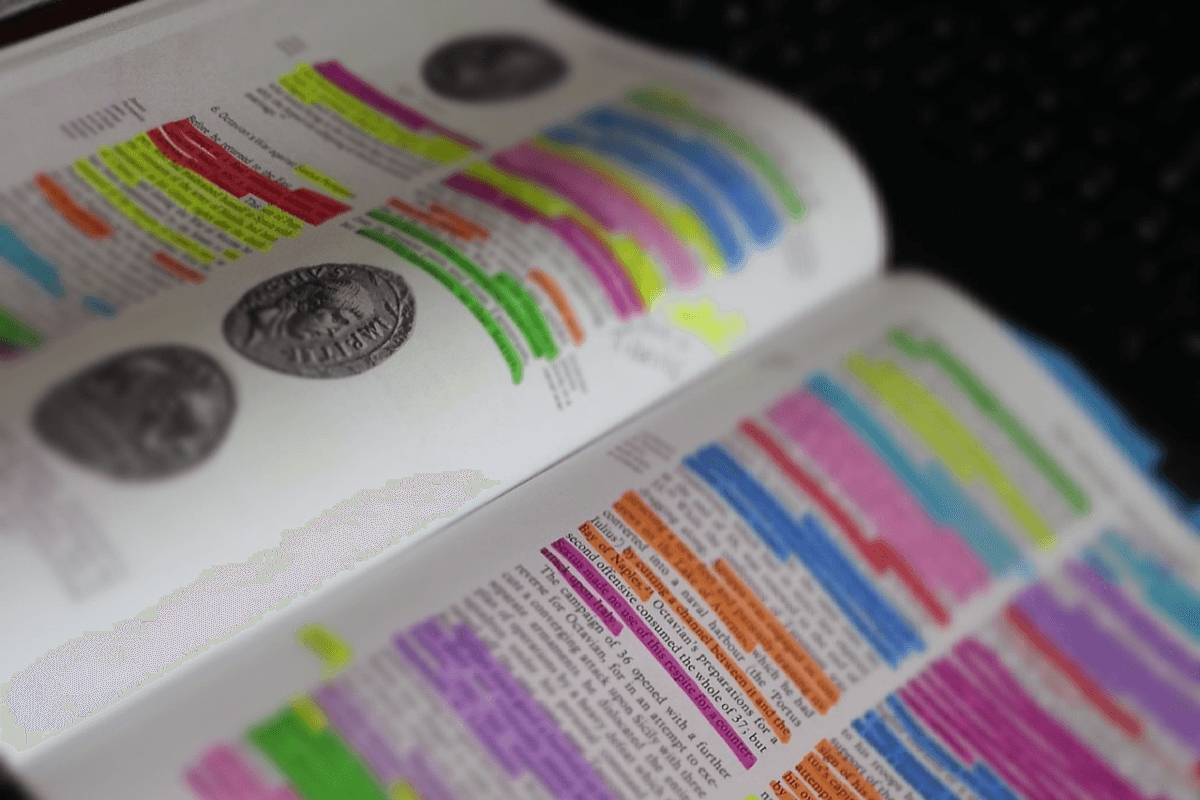
Applying Metacognitive Skills to ELA
Metacognition — thinking about your own thinking — is one of the most powerful tools a student can develop in English Language Arts. Here's how to teach it practically.
Read More →
Metacognition: The Secret Skill to Effective Learning
Students who understand how they learn outperform those who simply study harder. Metacognitive skills are trainable — and they transform academic performance across every subject.
Read More →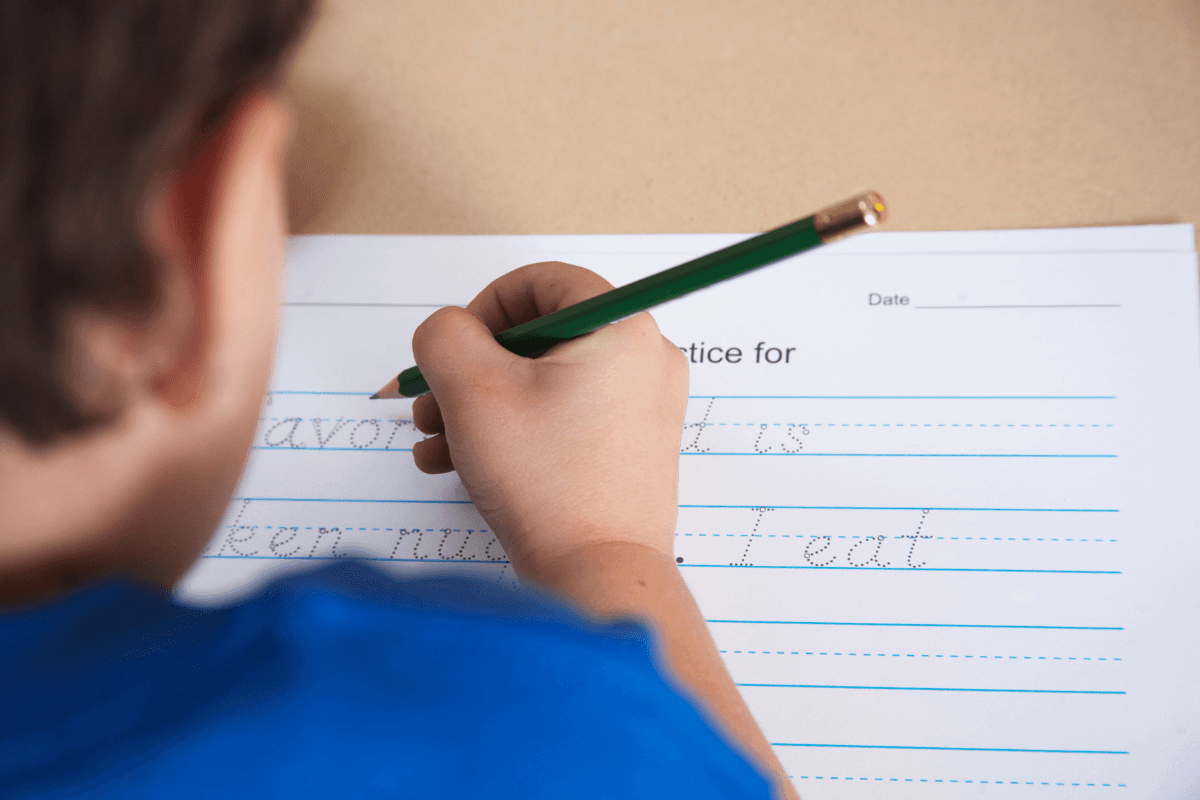
Good Handwriting = Higher Scores in School
Legibility and fluency in handwriting directly correlate to academic performance. Students who write quickly and clearly free up cognitive load for the thinking that matters most.
Read More →
Parent Prep for Parent-Teacher Conferences
The most productive parent-teacher conferences happen when parents come prepared. Here are the questions that lead to real insight — and real change — for your child.
Read More →
Challenging Bored, but Gifted Students
Gifted students who aren't challenged don't coast — they disengage. Here's how to identify the signs and advocate effectively for enrichment that actually stretches them.
Read More →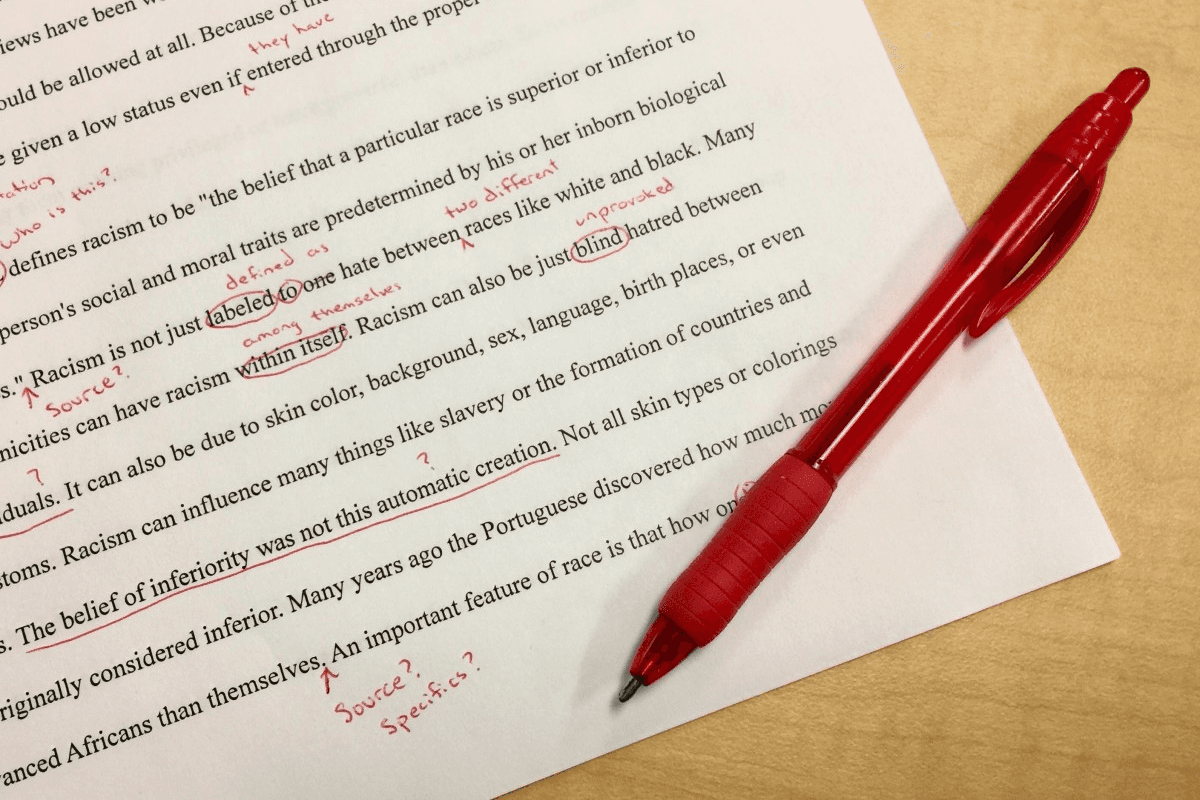
The Value of Feedback in Writing Improvement
Feedback is the engine of writing improvement — but only when it's the right kind, at the right time, framed in the right way. Here's what effective writing feedback actually looks like.
Read More →
Screen Time is Stealing Attention Spans
Research is clear: excessive screen time shortens the ability to focus — and that directly affects reading and writing. Here's what parents can do without going cold turkey.
Read More →
The Secret to Career Advancement: Strong Writing Skills
In nearly every profession, the people who rise fastest are the people who communicate most clearly. Writing is a career skill — and it's one that can always be improved.
Read More →
Writing Skills in the Age of AI
AI can draft, edit, and generate — but it can't replace the thinking behind great writing. Here's why strong writing skills matter more, not less, in a world with AI.
Read More →
How To Teach Your Child Handwriting (The Fun Way)
Handwriting practice doesn't have to feel like punishment. These playful, multi-sensory techniques make fine motor skill development something kids actually look forward to.
Read More →
Teaching Your Child Through Games
Play isn't a break from learning — it's one of the most effective learning modes available. These games build reading, writing, and vocabulary skills without feeling like schoolwork.
Read More →
Why Is Grammar Important?
Grammar isn't just about following rules — it's about being understood. When grammar breaks down, so does communication. Here's how to make grammar relevant and learnable.
Read More →
Writing Resources for Your Child
From graphic organizers to mentor texts to online tools, the right resource can unlock a stuck writer. Here's a curated list of our favorites for students at every level.
Read More →
Writing the Micro-Memoir
The micro-memoir is one of the most powerful writing exercises for students at any level. A single paragraph. A vivid memory. And the beginning of a real writing voice.
Read More →
Writing with a Visual Thesaurus
Traditional thesauruses give you options. A visual thesaurus shows you connections — and that difference changes how students explore word choice in their own writing.
Read More →Get Writing Tips in Your Inbox
Twice a month, the LTWN Team shares practical tips for raising confident writers.
No spam. Unsubscribe anytime.